NYSC · 2025—2026 · FUT MINNA

Access is
the work.
Build what lasts.

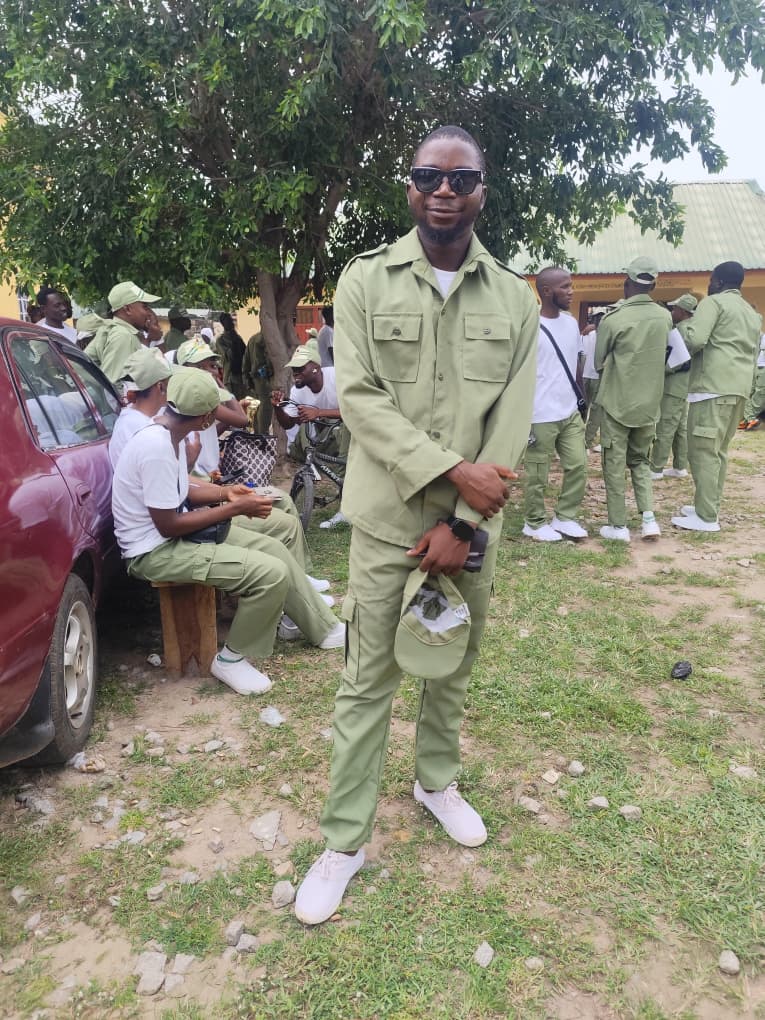
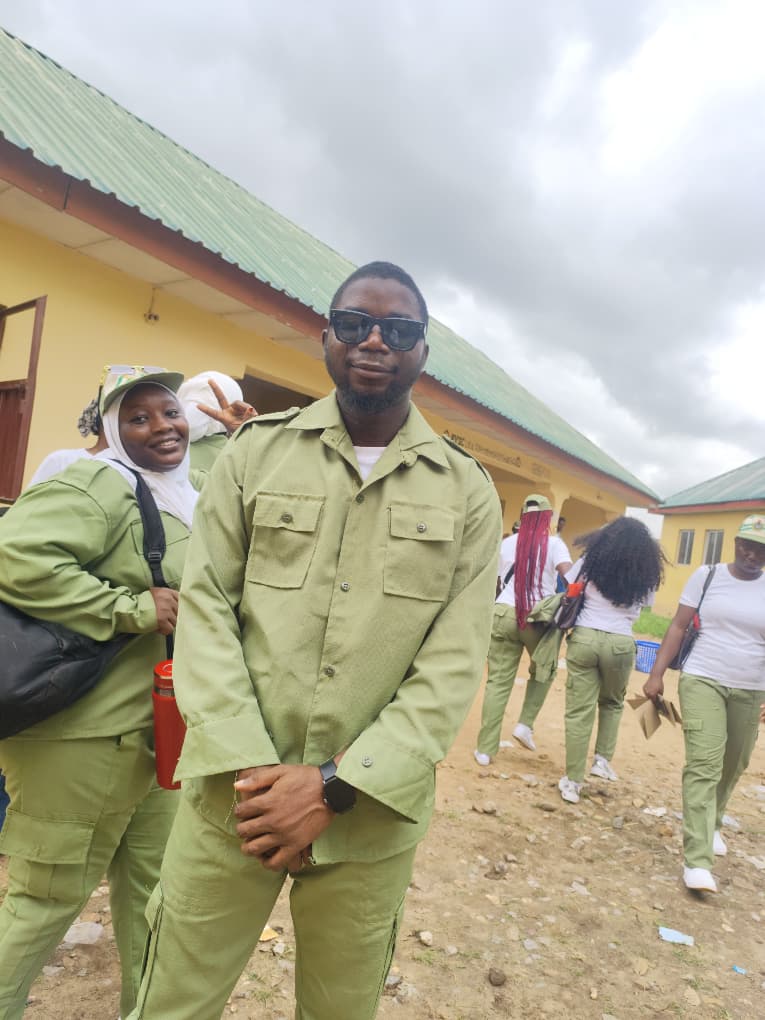
My NYSC year at the Federal University of Technology Minna was one chapter in a longer commitment: making technology more accessible, practical, and useful. Across teaching, student projects, departmental support, research, and learning infrastructure, the goal was to leave people with more ways to participate and build.

Emerging Technology Lab Instructor Department of Software Engineering · FUT Minna 17 Dec 2025 — 19 Nov 2026
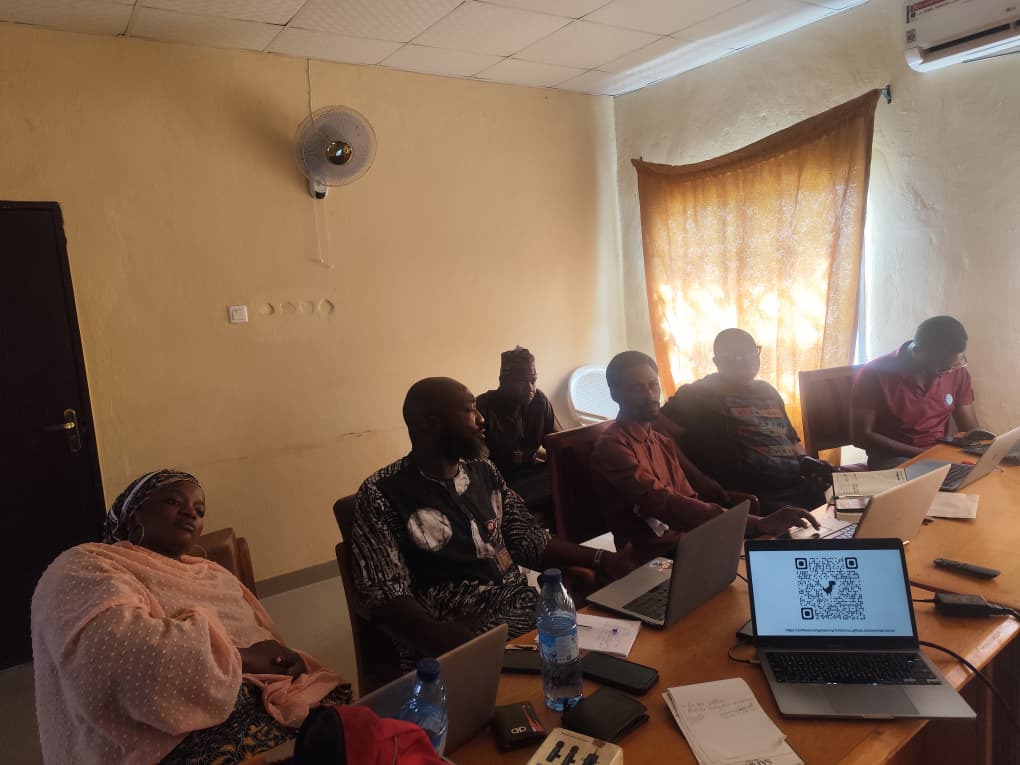
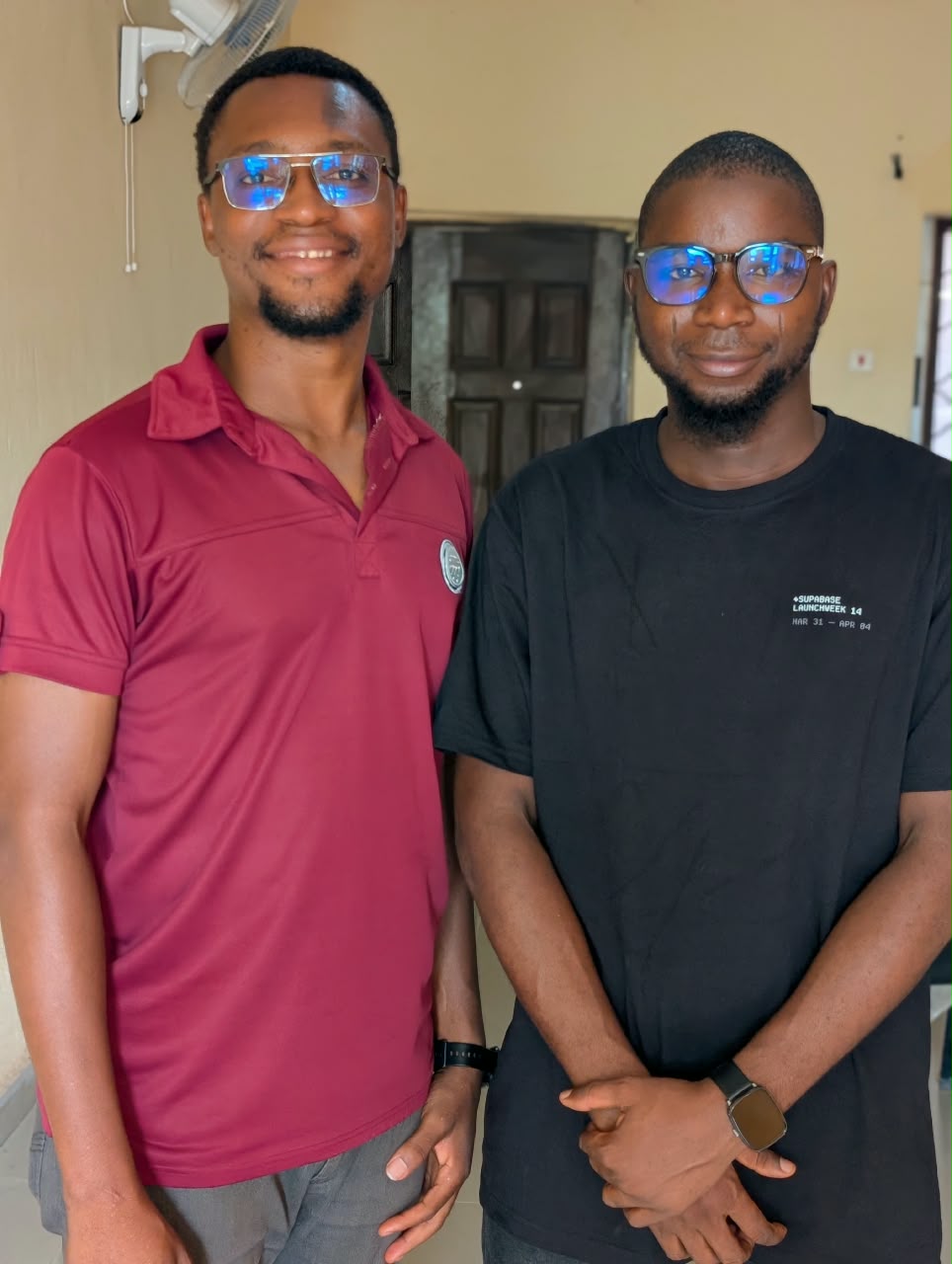
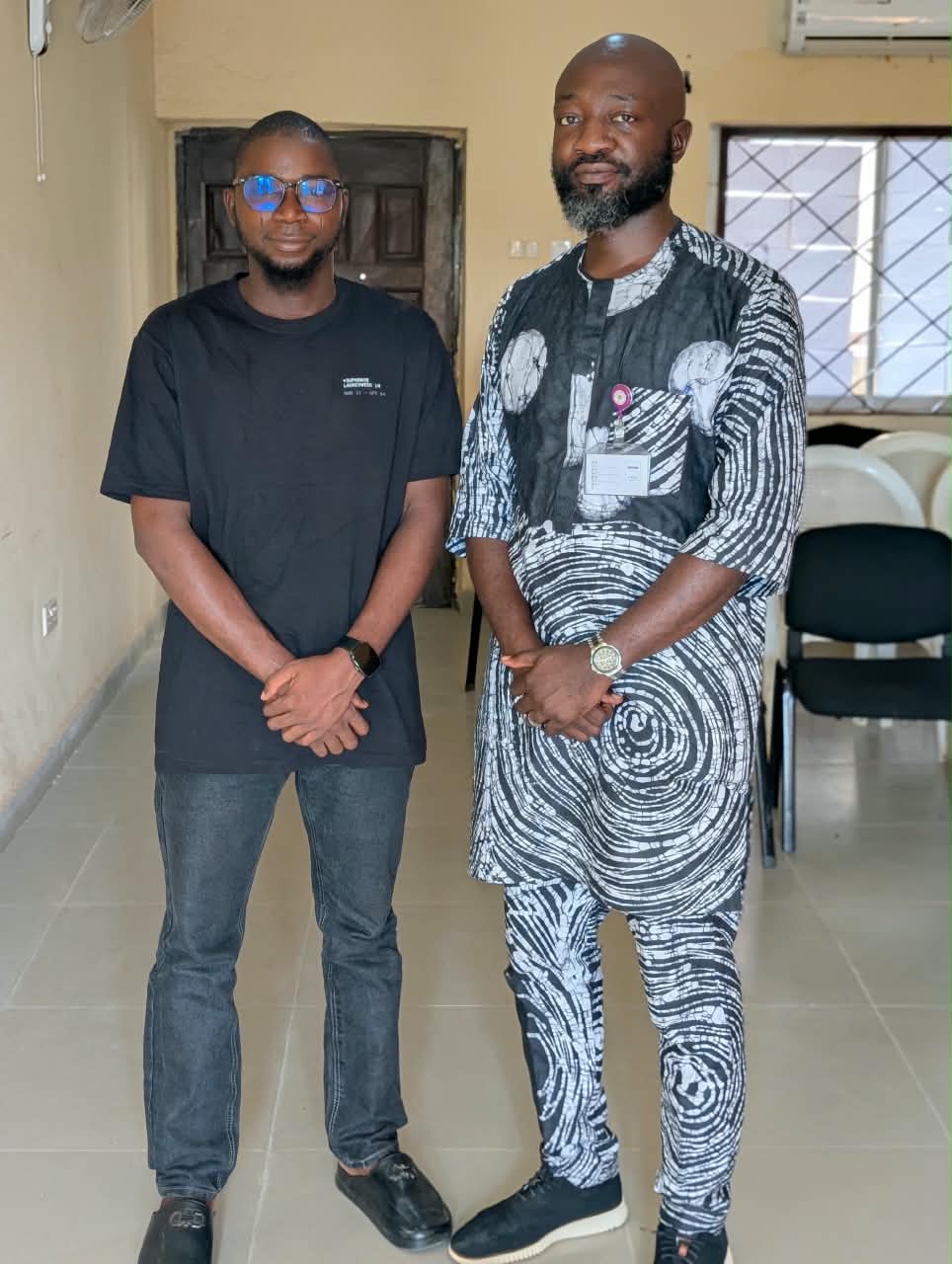
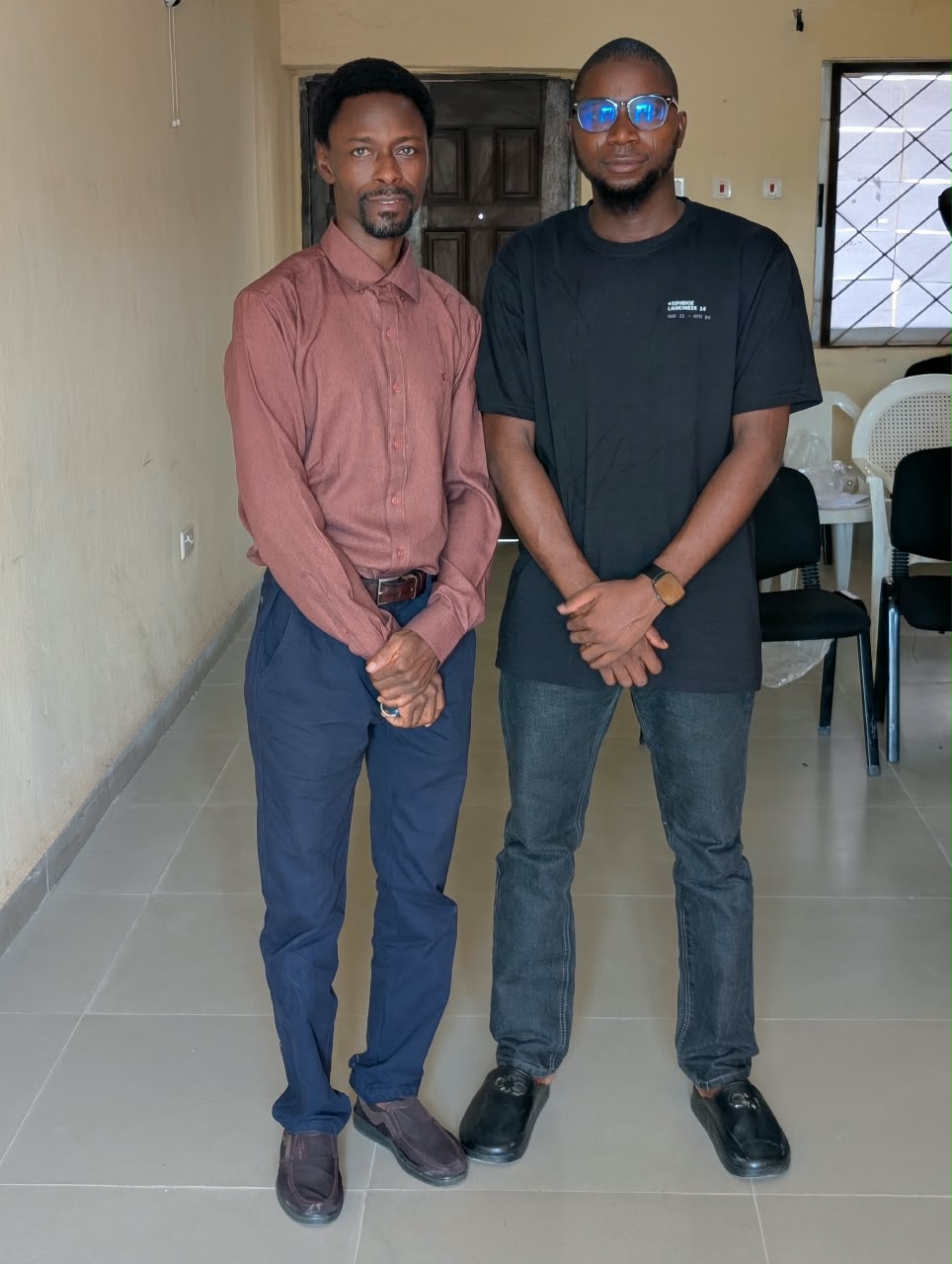
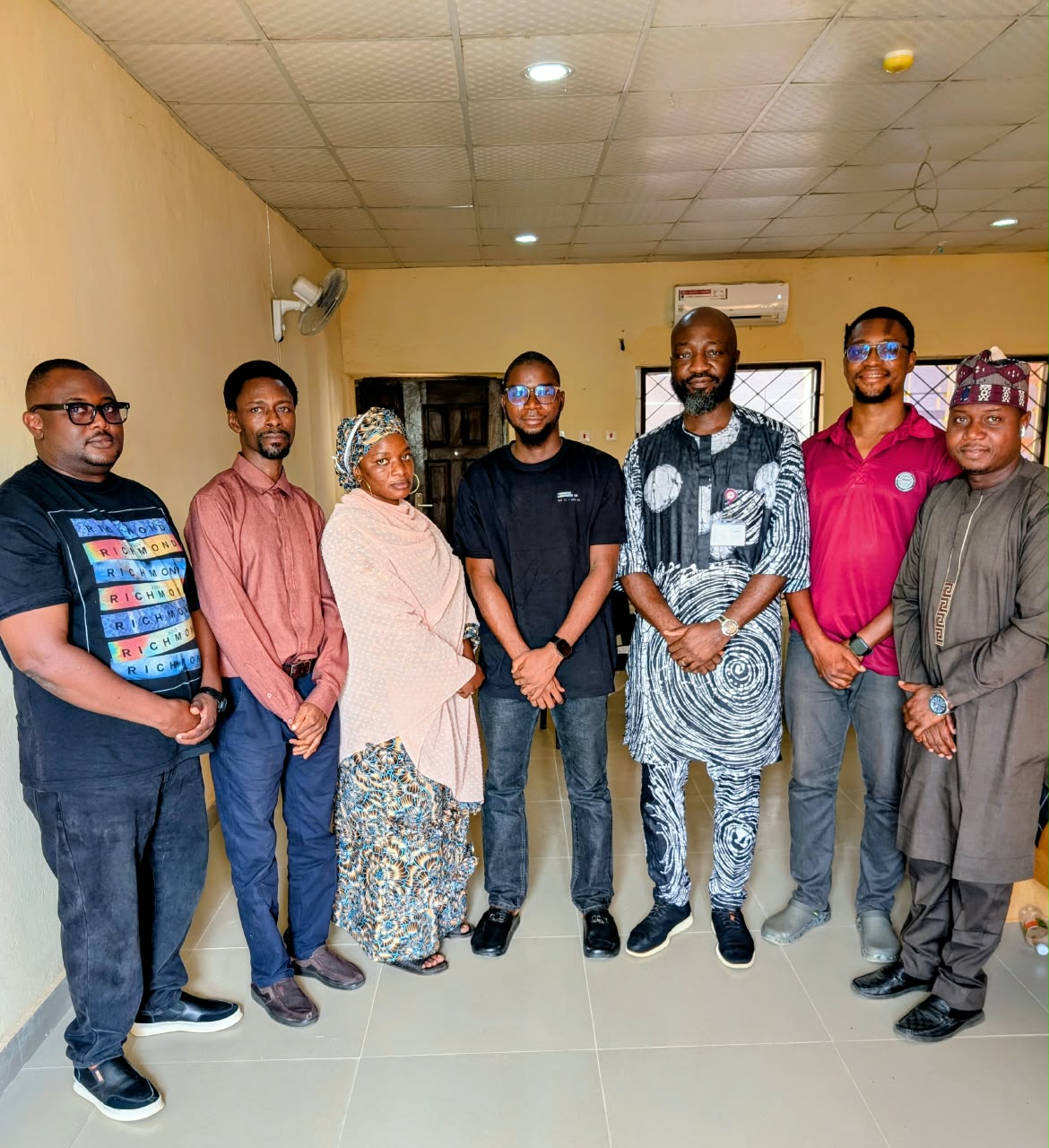
Rasheed Taiwo with staff of the Department of Software Engineering, FUT Minna, after the SWEMLab staff workshop
A year of making technology more accessible, practical, and real.
12months of
meaningful work
01 / THE REACH

Impact you can count.

The work was not just about delivering lessons. It was about giving students practical ways to learn, build, collaborate, and demonstrate what they can do.

400+students taught across multiple programmes
400+course report workbooks graded
80+individual-project students guided
30+software project guides developed
20+student projects judged or reviewed
2wooden storage cabinets built and donated to the department
EXPLORE / YOUR ROUTE

Pick a thread. Follow the impact.

There is more than one way into this story. Choose what interests you and jump to the work behind it.

WHAT WOULD YOU LIKE TO EXPLORE?
START WITH THE LEARNERS

Make practice possible.

Explore the teaching, project guidance, SWEMLab, and browser-based workflows designed to help students learn by building.

Explore SWEMLab ↗
02 / THE WHY

Make the lab work for every learner.

Access to technology is not only about connectivity or devices. It is also about whether a student can practise, whether a department has the tools and resources to support learning, and whether promising ideas can move from a classroom into real use. That belief shaped my service year.

I worked across several layers of that problem: teaching and assessment, project guidance, a virtual lab, AI/ML lab readiness, research support, departmental documentation, and physical storage for important records. Some contributions were digital; others were practical, physical, and administrative.

“Access becomes meaningful when people have the tools, guidance, and space to turn an opportunity into something real.”
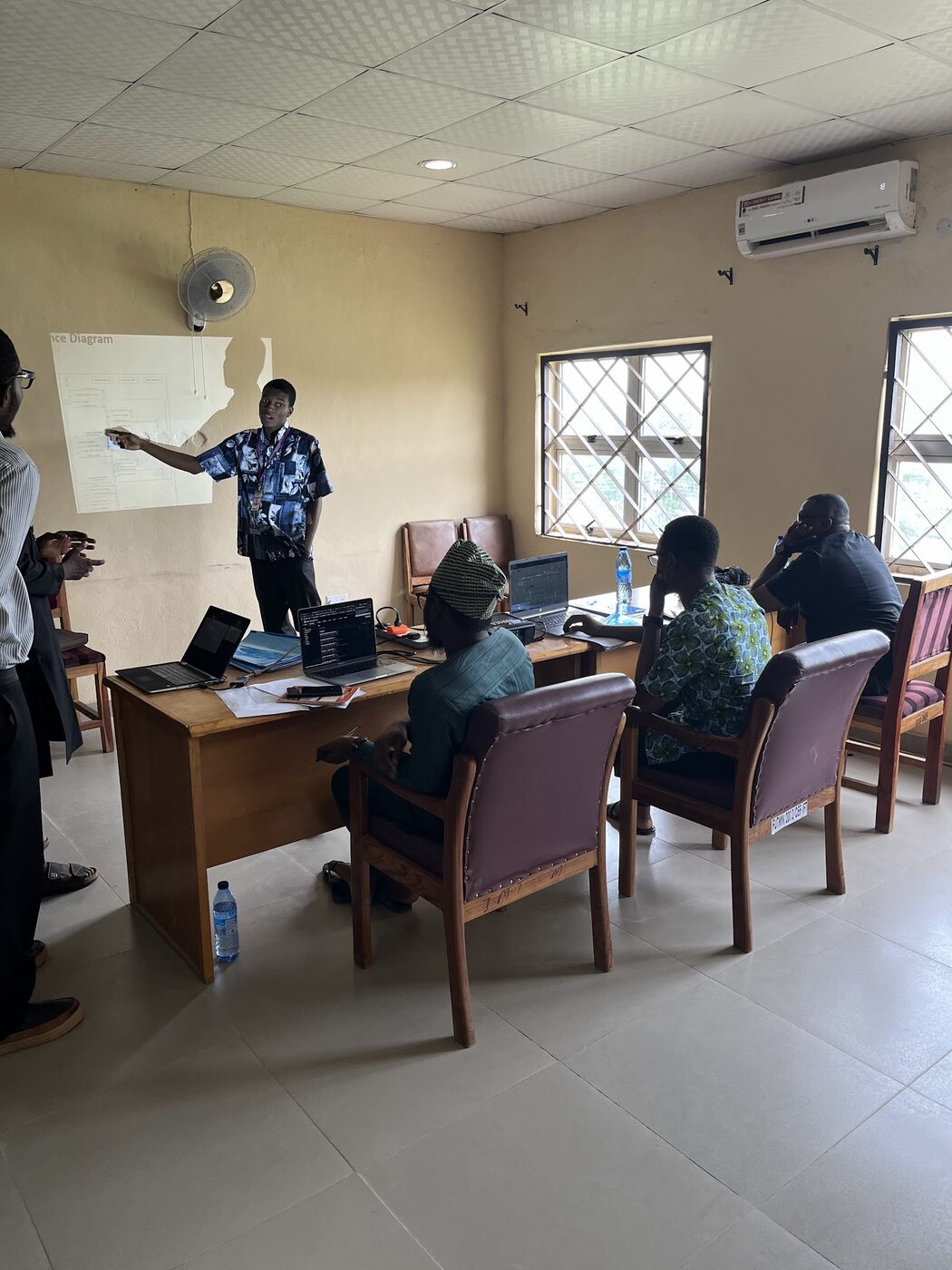
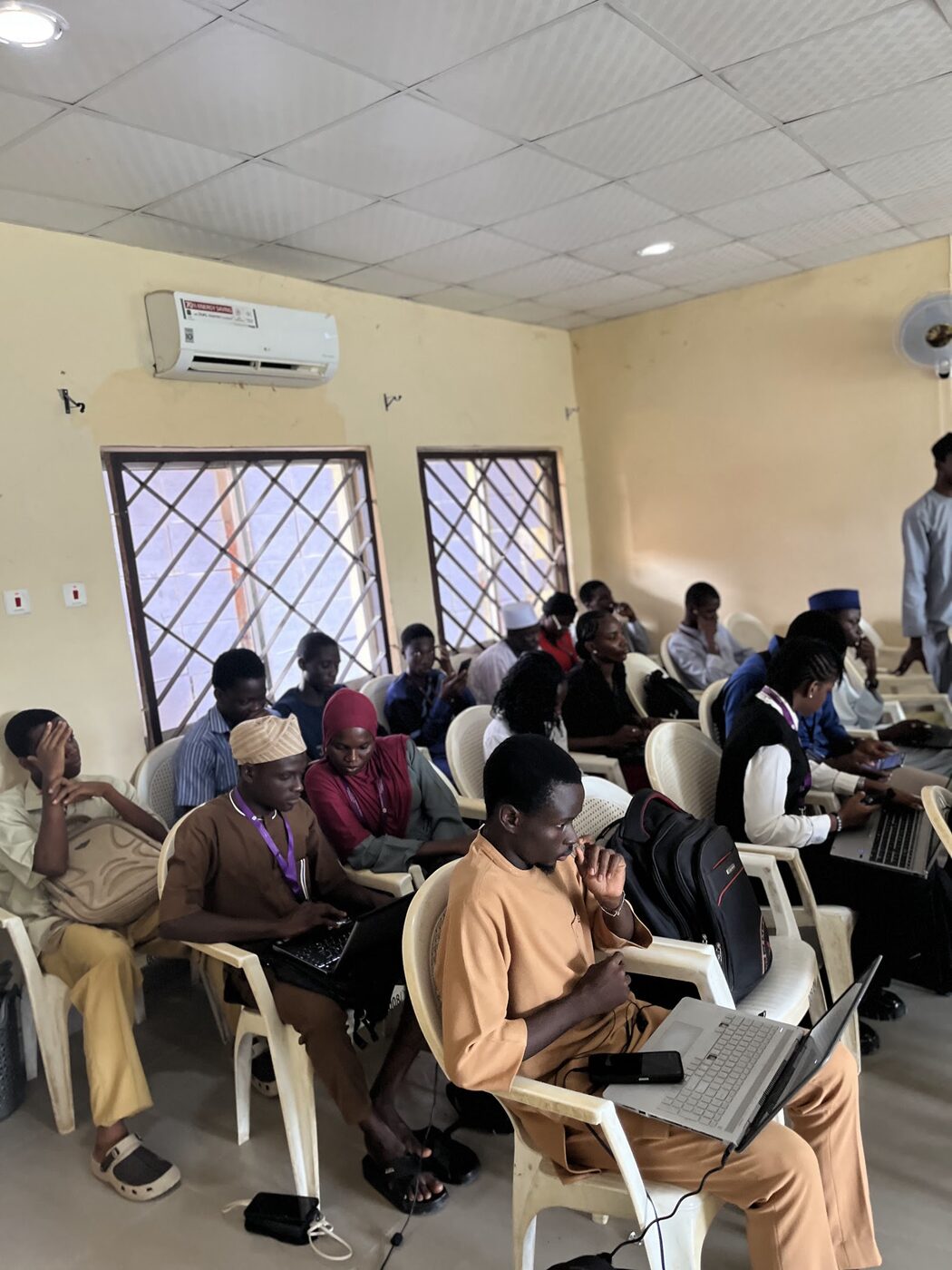
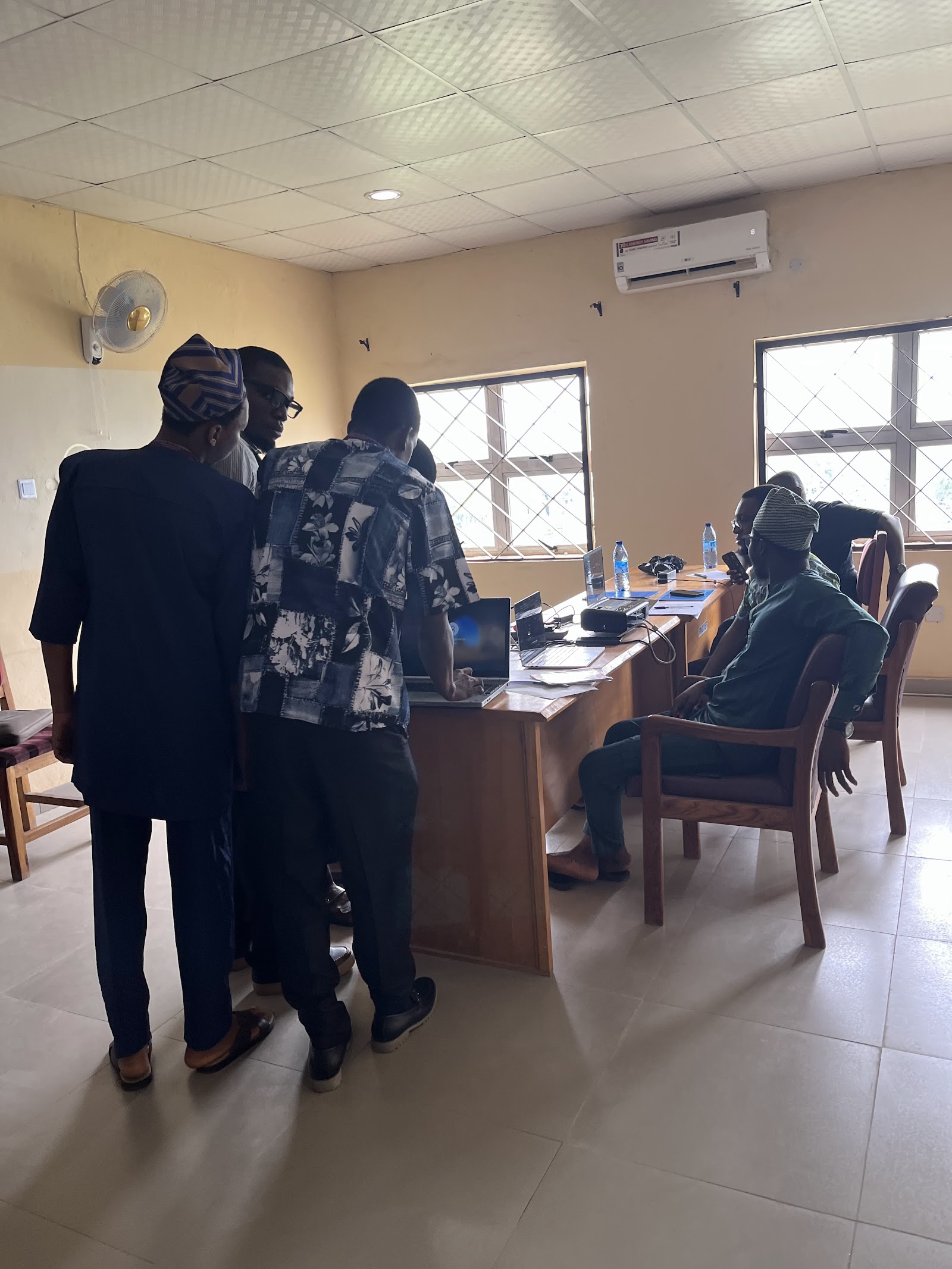
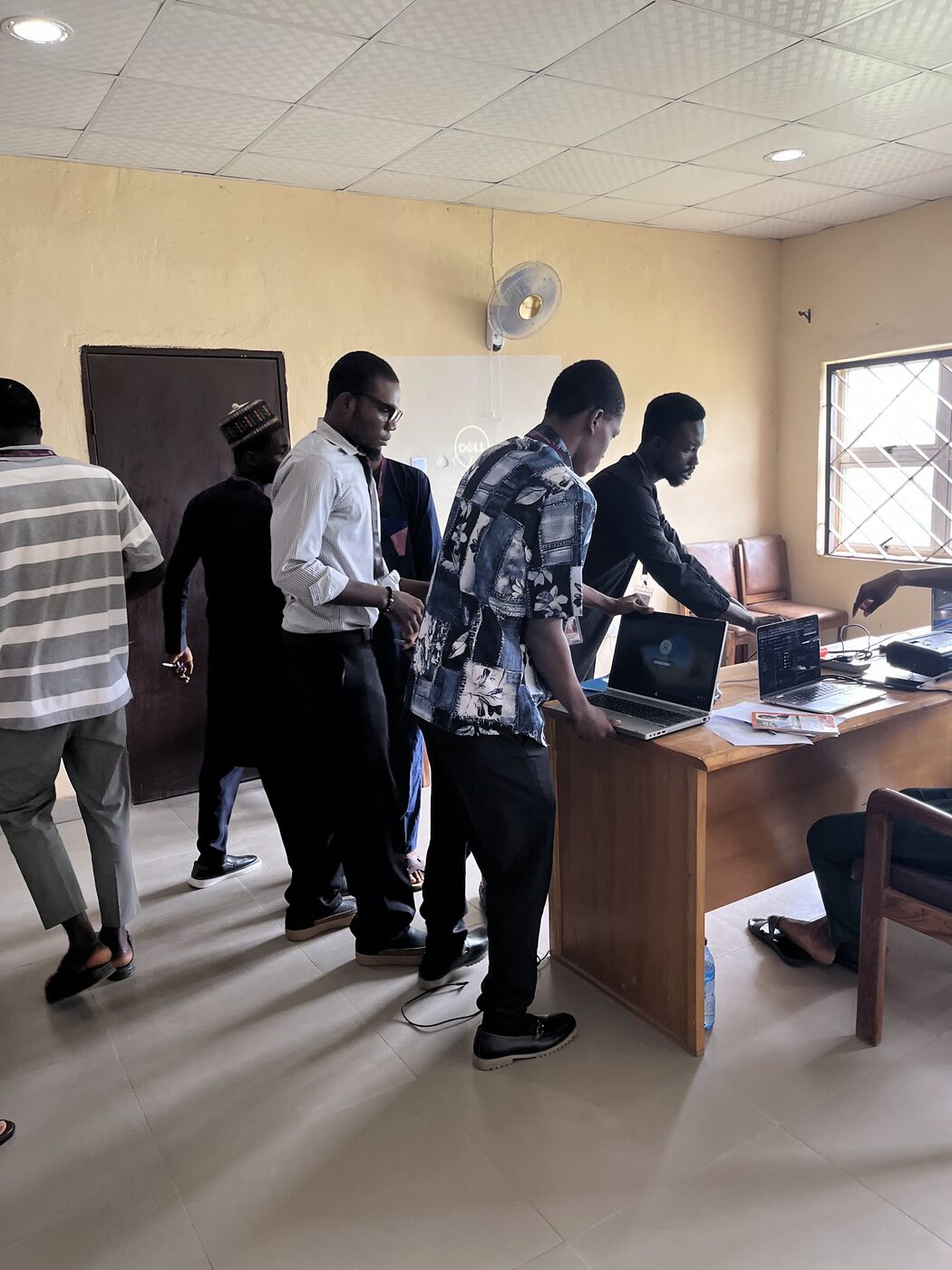
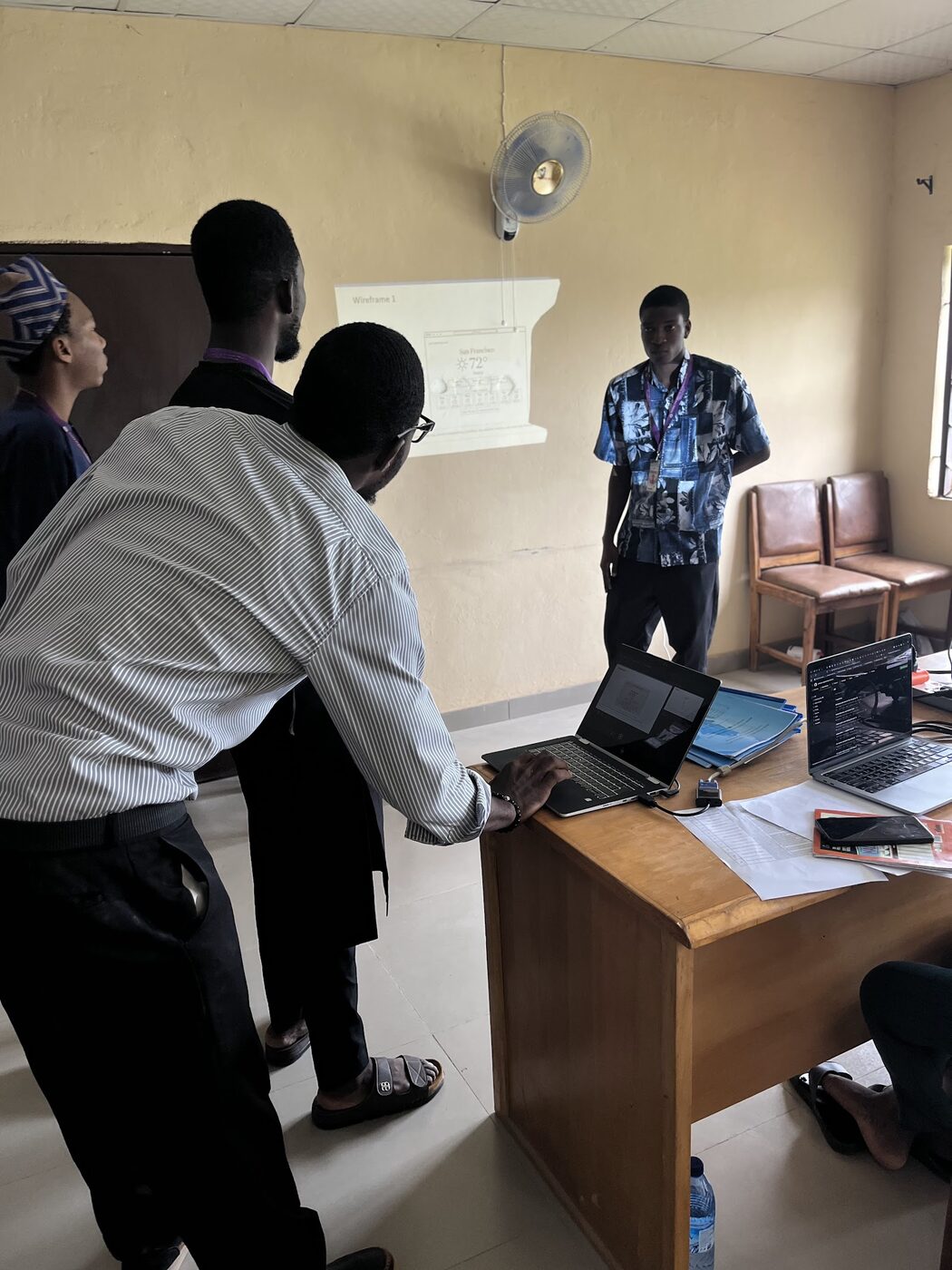
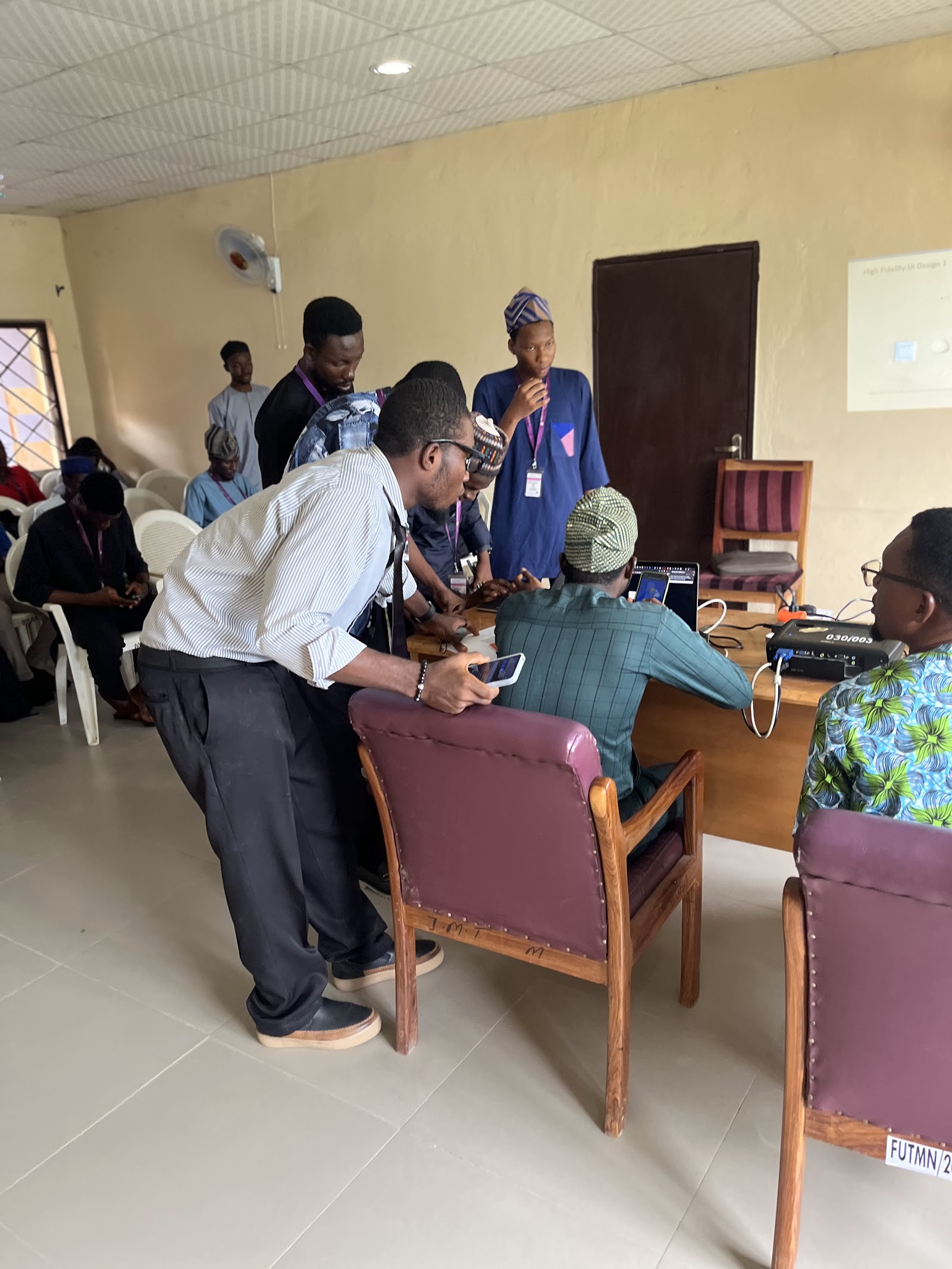
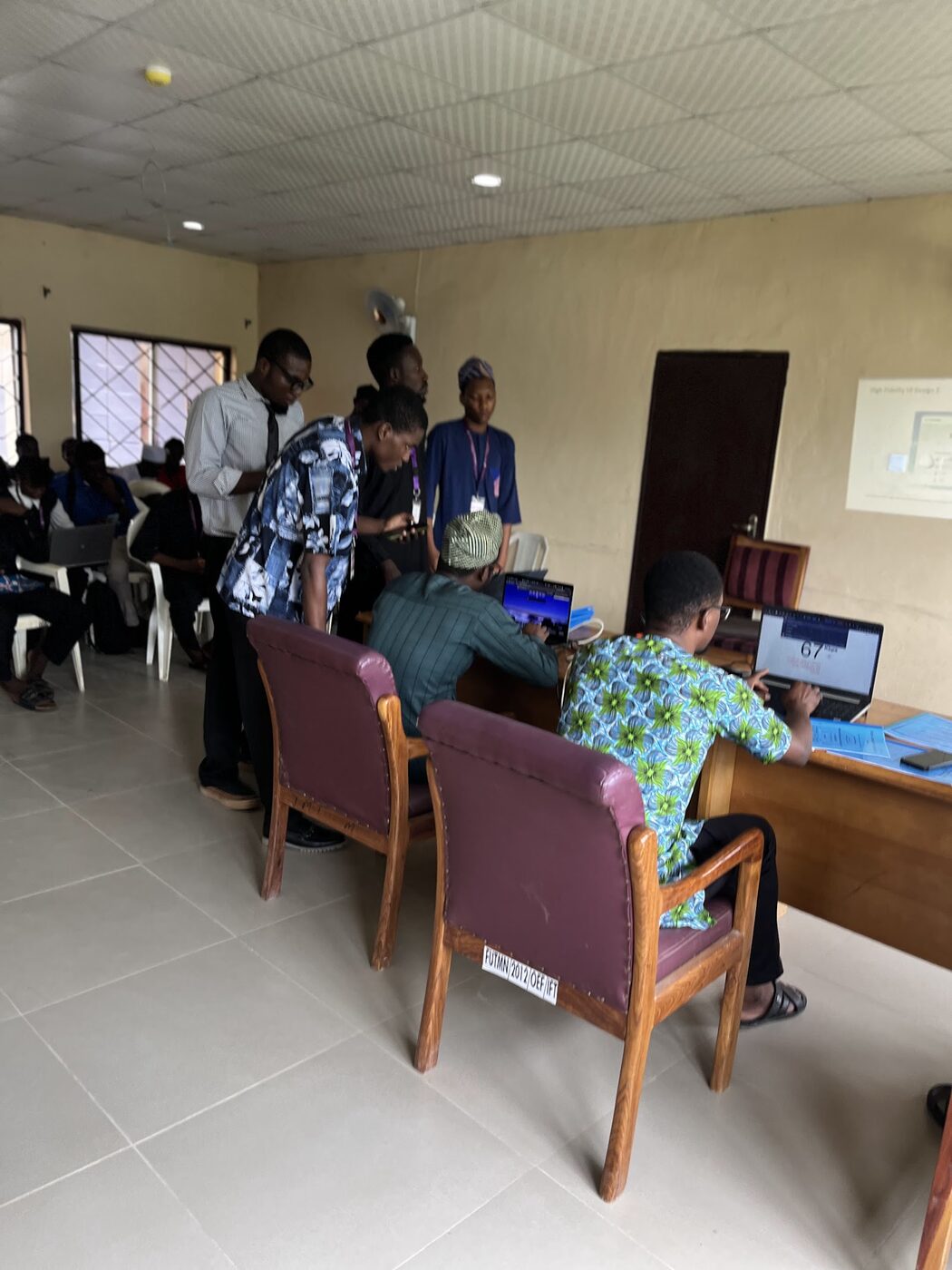
Students in a project evaluation and lab review session demonstrating working software to departmental lecturers
03 / FLAGSHIP BUILD

One contribution: SWEMLab and more accessible practice.

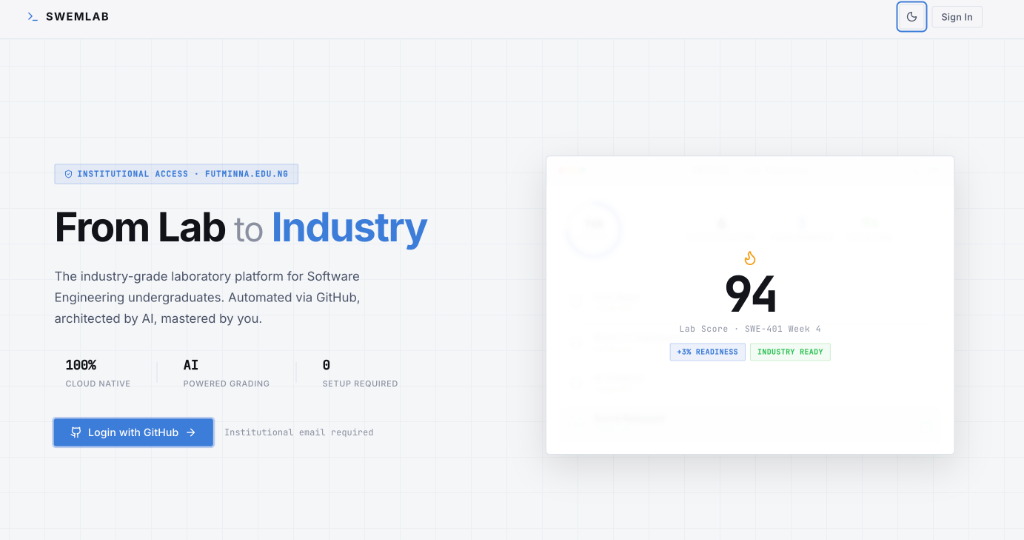
SWEMLab was one practical response to the access challenge. It helped students work in the browser, follow structured activities, collaborate in teams, and receive feedback without spending the first part of every session configuring a machine. It sits alongside teaching, mentoring, lab support, research, and departmental service.

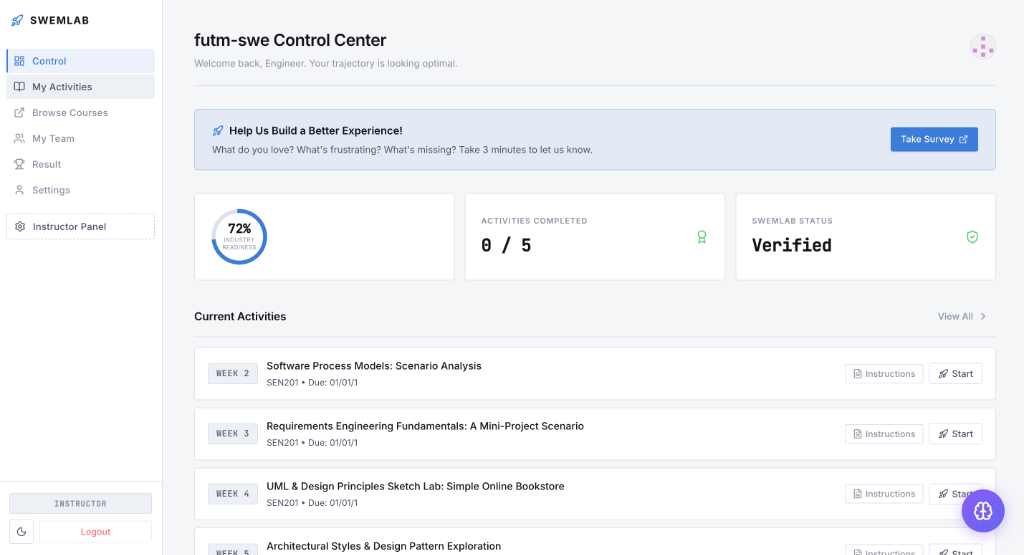
SWEMLab Control Center Dashboard — Industry Readiness 72%, verified student status, and weekly software engineering practical activities
The flagship contribution

From access barriers to a shared build space.

SWEMLab brought course resources and hands-on development into a more accessible workflow for students and instructors.

500+students reached through the platform
5+courses supported
3+instructors supported
21student groups / deployed projects in the recorded rollout
  • Browser-based development using GitHub and Codespaces
  • AI-assisted activity architecture and automated grading workflows
  • Structured activities and 30+ guided project ideas
  • Team projects with invitations, team leads, and instructor progress tracking
  • Staff walkthrough of SWEMLab v2 and instructor workflows
INSIDE THE PLATFORM

The learning environment in practice

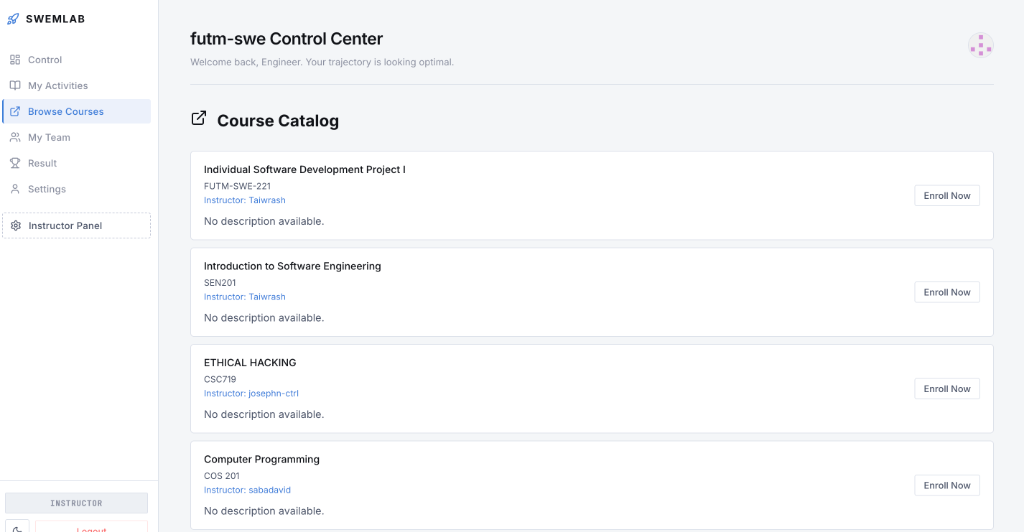
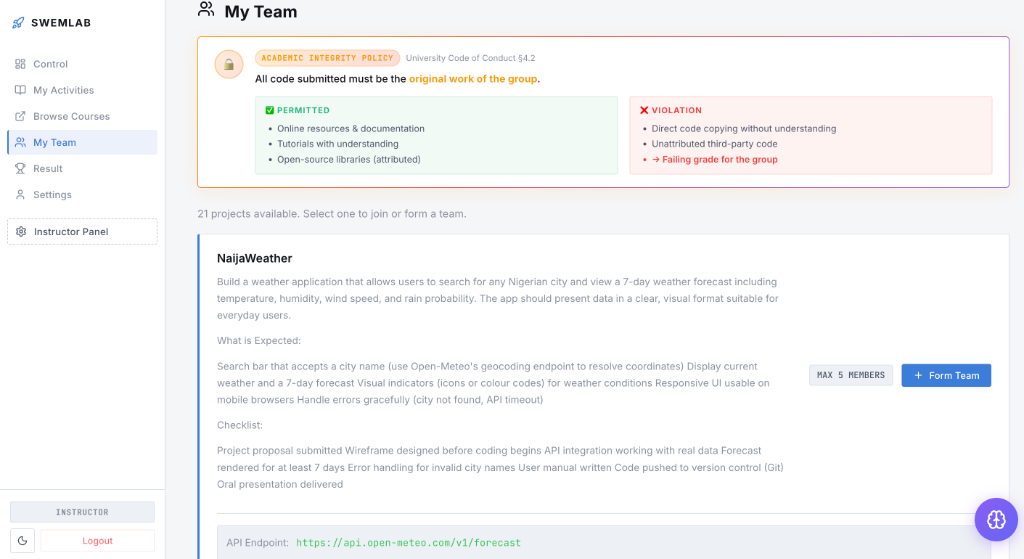
Authentic screenshots from the live platform showing how students track industry readiness, browse course catalogs, and collaborate on structured team projects.

SWEMLab Course Catalog with SEN201, Individual Software Project I, Ethical Hacking, and Computer Programming
Departmental Course Catalog Structured course tracks covering Software Engineering, Individual Software Project I, Ethical Hacking, and Computer Programming for 400+ students.
SWEMLab Team Project Hub showing NaijaWeather project brief, academic integrity policy, and live API endpoints
Collaborative Team Hub 21 real-world project briefs (e.g. NaijaWeather with Open-Meteo REST API), clear academic integrity standards, team formation, and Git milestones.
SWEMLab Cloud-Native Platform Architecture — From Lab to Industry, automated grading via GitHub
From Lab to Industry Portal Cloud-native browser development environment connecting institutional university accounts to GitHub, Codespaces, and automated grading.
05 / BEYOND THE PLATFORM

Practical work across the department.

The contribution extended into teaching support, lab readiness, student project development, research collaboration, and departmental operations.

01 — TEACHING

From theory to practice

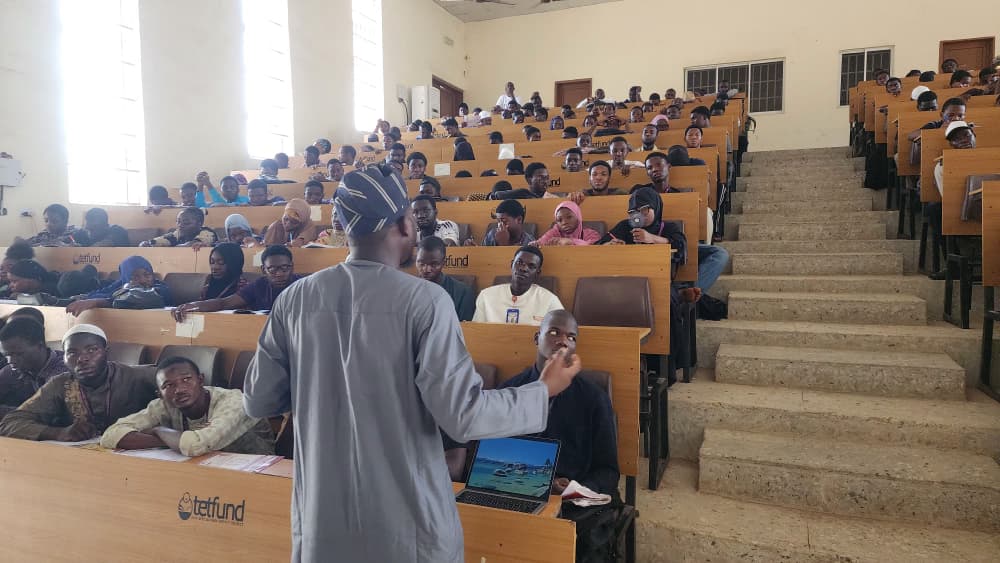
Taught Introduction to Software Engineering to 400+ students across Computer Science, Software Engineering, Information and Media Science, Cyber Security, and IFT; graded 400+ report workbooks; and guided 80+ individual-project students through research, problem definition, PRDs, documentation, workshops, and delivery.

Learning support
02 — PROJECTS

Better starting points

Created 30+ software project guides for 200-level students, introduced students to public API endpoints across entertainment, health, finance, transport, and logistics, and produced an instructional video to help students record their project work in logbooks.

Project development
03 — TEAMWORK

Collaboration by design

Added a team-project workflow to SWEMLab so instructors can create projects, team leads can invite classmates, and instructors can monitor progress.

Product thinking
04 — AI / ML

A lab ready to learn

Delegated to the Department of Artificial Intelligence to help set up an operational AI/ML lab with Anaconda, NumPy, Pandas, Scikit-learn, Matplotlib, Seaborn, SciPy, and Jupyter Notebook, validated with an Iris classification workflow.

Lab enablement
05 — RESEARCH

Technical collaboration

Worked with professors on research papers for publication and provided technical consultancy for a Blockchain Master’s Programme handled by the Centre for Emerging Technologies, FUT Minna.

Research support
06 — DEPARTMENT

Work that keeps things moving

Supported departmental needs through the 2025 annual report, lab-manager computer configuration, 100-level orientation documentation and slides for the HOD, course content for Application Packages, and preparation that supported Software Engineering accreditation lab verification.

Operational support
07 — QUALITY & SELECTION

Help good projects move forward

Judged 20+ student projects and supported decisions about which projects addressed real problems. Helped make student work more visible through a curated public showcase and a departmental GitHub organisation.

Review & visibility
08 — COURSE SUPPORT

Make the process clearer

Added structured course activities and guided materials to support practical work, including a video explaining how students should record project progress in their logbooks.

Teaching resources
A tangible contribution

Two cabinets. A practical piece of departmental infrastructure.

I built and donated two wooden storage cabinets to the Department of Software Engineering for papers, records, and on-site documentation. Not every useful contribution is software; some are about improving the everyday environment in which a department works.

  • Two wooden storage cabinets built and donated
  • Designed for departmental papers, records, and documentation
  • A lasting, physical contribution to the department
06 / CAPABILITY BUILDING

Infrastructure is only useful when it works.

Two important behind-the-scenes efforts: making an AI/ML lab usable for practical exercises and giving instructors a clearer way to guide and assess project work.

AI / ML LAB

From packages installed to a validated workflow.

In April 2026 I was delegated to the Department of Artificial Intelligence to set up its lab: installed Anaconda and the core Python data-science stack, then ran test workflows, including an end-to-end Iris classification exercise, to confirm the lab was ready.

INSTRUCTOR EXPERIENCE

Tools that support the people teaching.

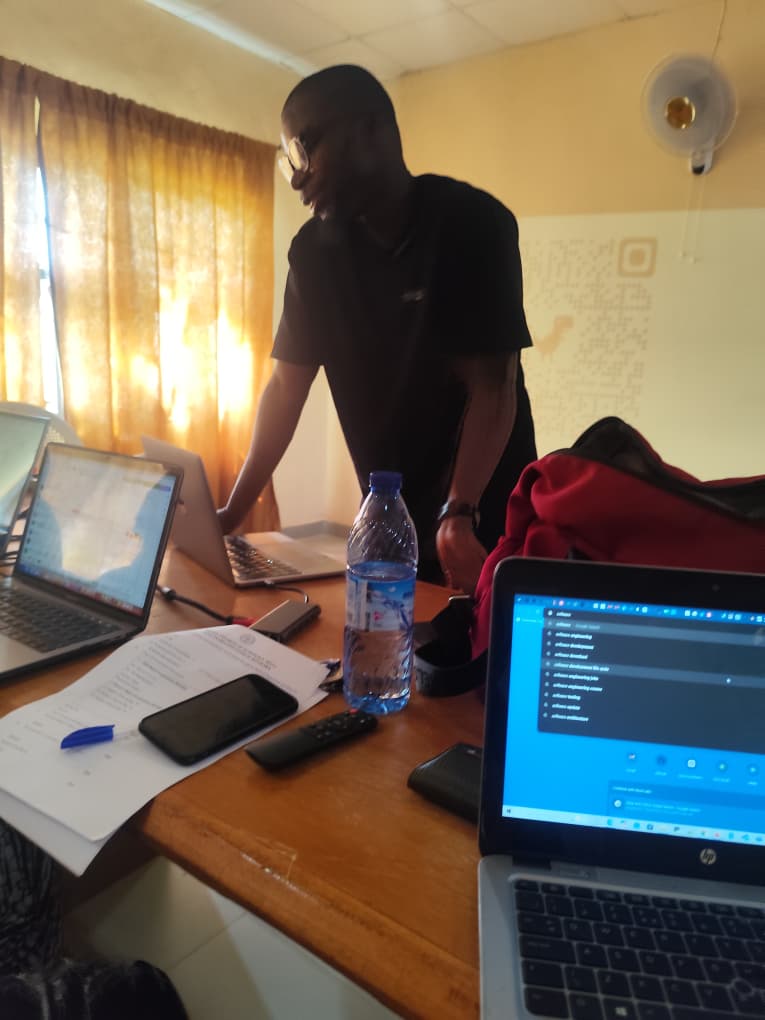
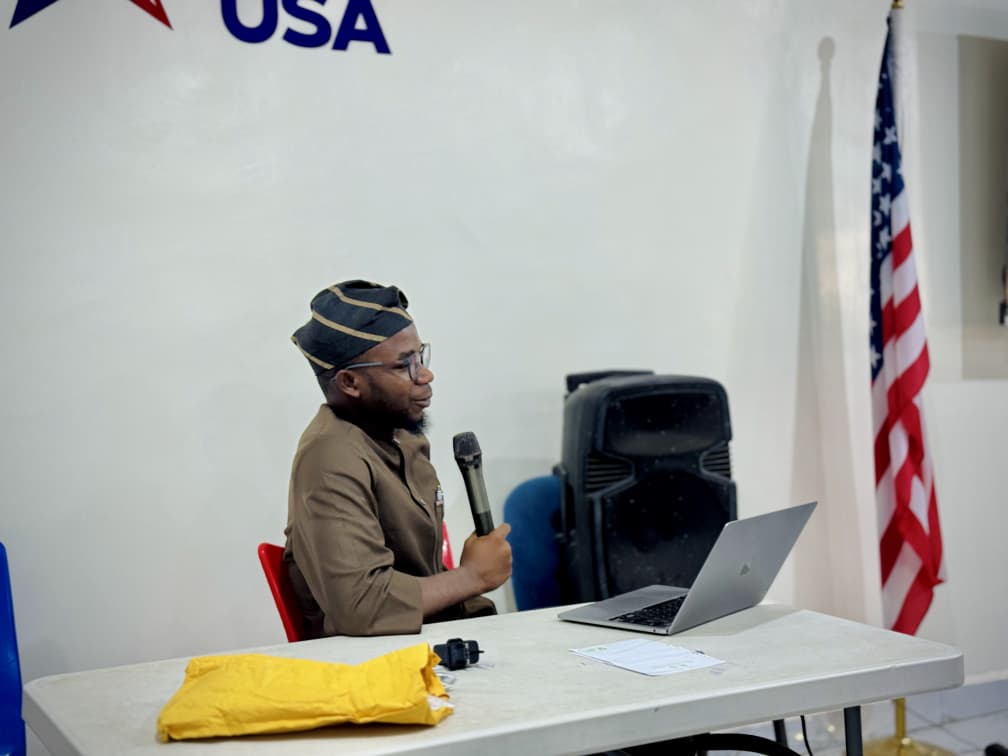
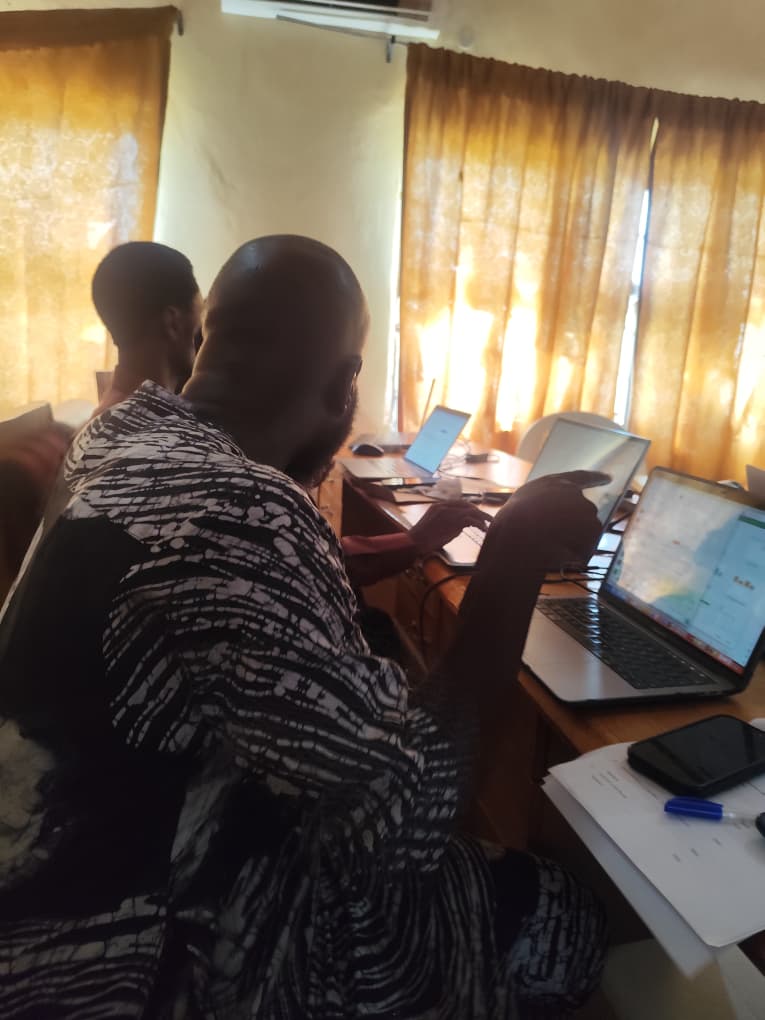
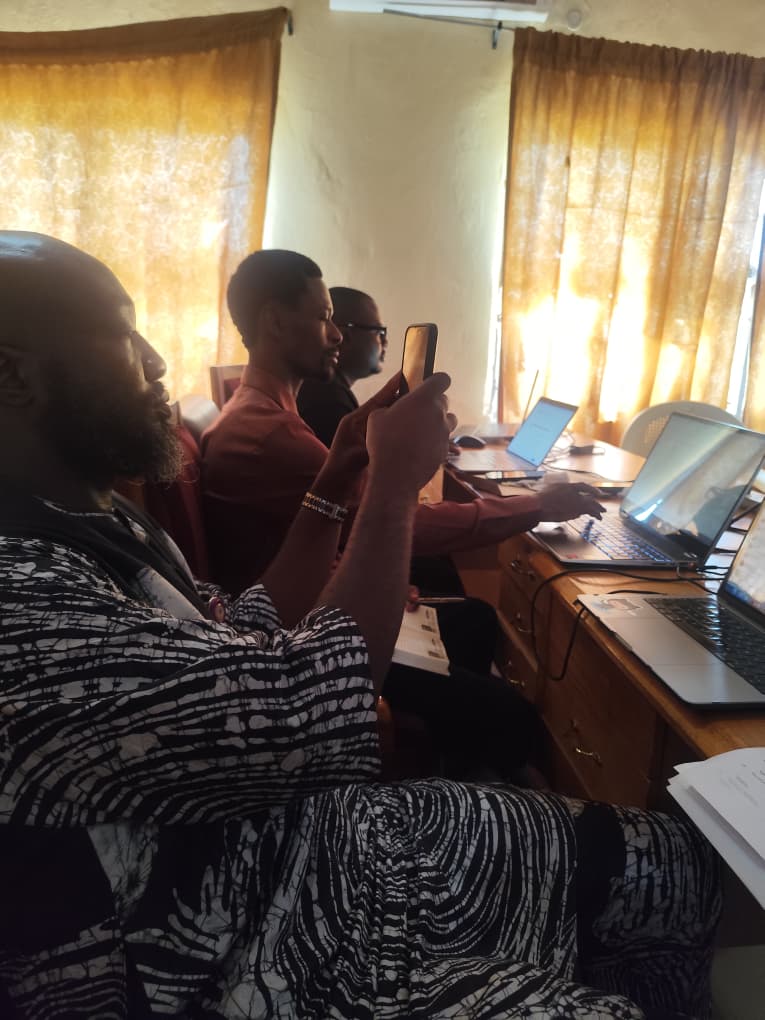
Walked staff through SWEMLab v2, its activities, team project workflow, and progress visibility so the platform could fit into actual course delivery.

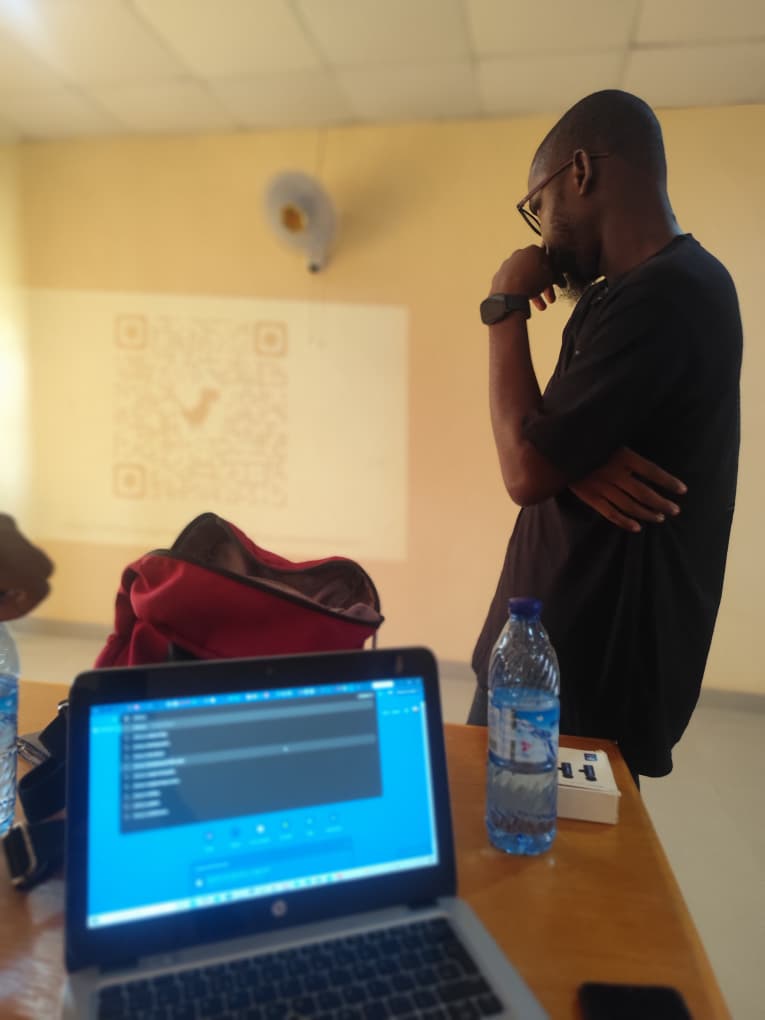
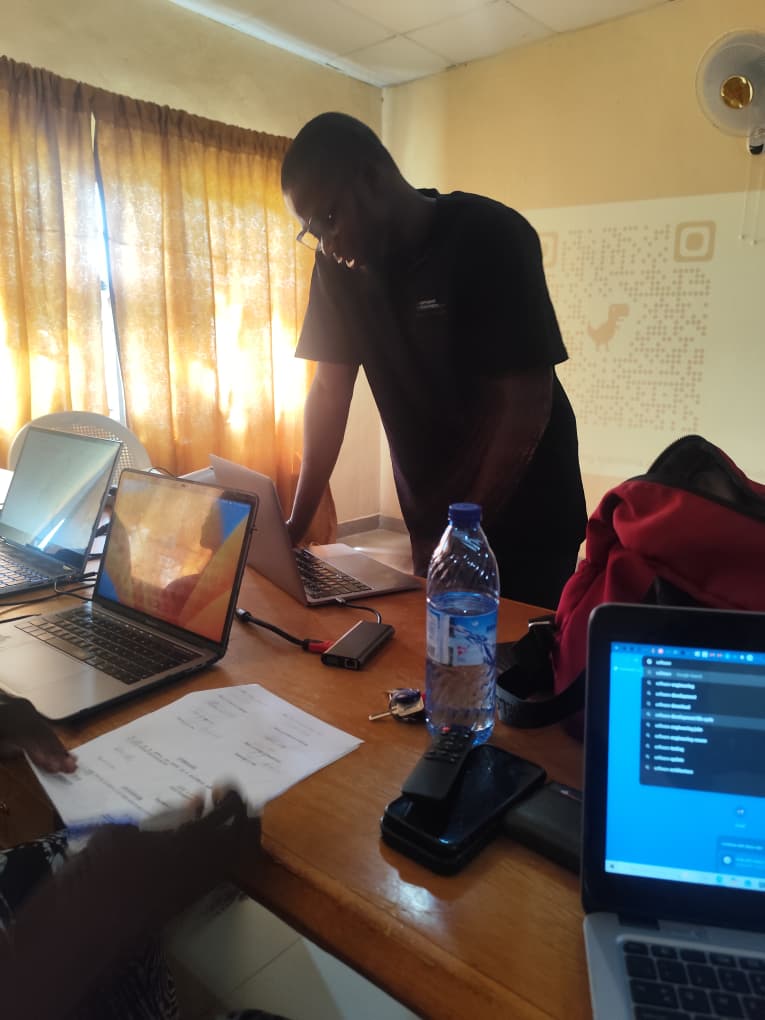
Rasheed observing staff working through SWEMLab during the workshop
07 / STUDENT WORK

Let the students’ work speak.

The student showcase turns learning into visible evidence: teams, repositories, and live deployments that others can explore beyond the classroom.

FUTM-SWE-221 · SECOND SEMESTER

Individual Software Development Project I

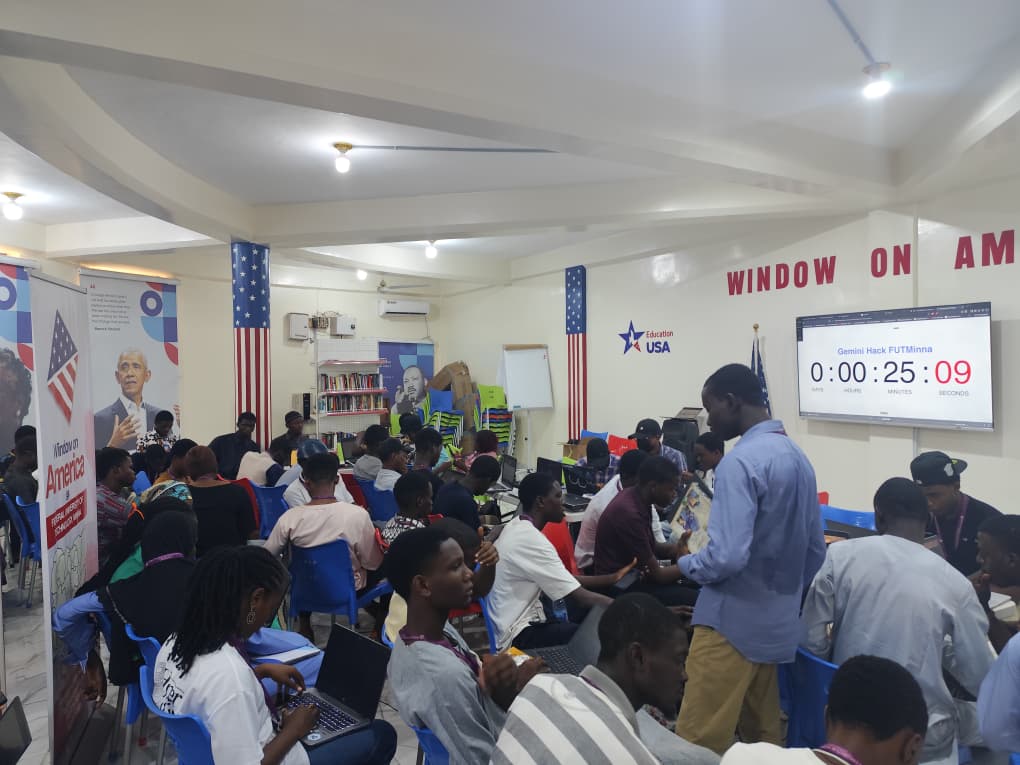
Twenty student teams of four designed, architected, built, and deployed full software systems to solve real-world problems. Each team defended their system architecture on the whiteboard and demonstrated live, production code on laptops before a departmental panel of lecturers.

20student teams
4students per team (80 enrolled)
16live deployments
100%open source
LIVE PRESENTATIONS & DEFENSES

Watch the teams present their solutions

Short video excerpts of teams pitching their architecture on the board and walking through production code on laptops.

Architecture & System Design Defense

A student team explaining their system diagram, data flow, and design patterns to the lecturer evaluation panel.

Live Software Demonstration

Students walking through working user flows, live database updates, and GitHub deployments directly on a laptop.

TEAMS IN ACTION

20 teams defending ideas before the panel

08 / MONTH BY MONTH

The work, as it unfolded.

A service-year record from December 2025 to November 2026, drawn from my monthly activity reports to the Head of Department.

Joined the department

Began NYSC service on 17 December as Emerging Technology Lab Instructor in the Department of Software Engineering, FUT Minna.

Departmental foundations

Drafted the department’s 2025 annual report in response to Senate-related requests, configured the lab manager’s computer, and prepared the 100-level orientation execution document and the slides the HOD used at orientation.

SWEMLab goes live

Built and launched SWEMLab, onboarded 200+ students, and taught an introductory class on the Software Development Lifecycle. Improved the platform with feedback from students and lecturers, added AI features, and drafted the Application Packages course content.

Activities, logbooks & grading

Guided students through platform activities and how to record them in their logbooks, recorded an instructional video, added automated grading, and published the full set of activities for the Software Engineering course.

AI/ML lab setup

Delegated to the Department of Artificial Intelligence to set up its AI/ML lab: installed Anaconda and the core machine-learning libraries, then ran test workflows to confirm the lab was ready. See the lab ↓

Project guides & team projects

Wrote 30+ project ideas and implementation guides for 200-level students, curated open APIs across entertainment, health, finance, transport, and logistics, and added team projects to SWEMLab, with team leads inviting classmates and instructors tracking progress.

Collaboration & research

Expanded collaborative project workflows and course activities; supported research-paper work with professors; and provided technical consultancy for the Blockchain Master’s Programme handled by the Centre for Emerging Technologies, FUT Minna. Opened an anonymous student feedback survey on SWEMLab. See results ↓

Improve, assess, demonstrate

Deployed SWEMLab v2, walked staff and instructors through it, judged 20+ student projects, and supported selection of projects addressing real problems.

Make student work visible

Curated the public student project showcase, set up a departmental GitHub organisation, and planned a virtual-lab workshop.

Physical departmental support

Built and donated two wooden storage cabinets for departmental papers, records, and on-site documentation. Add any other verified September activities here.

Handover & goodbye

Ran a hands-on SWEMLab workshop for department staff, presented certificates of participation, and closed with a goodbye celebration with colleagues. See the photos ↓

Close the service chapter

Service is scheduled to conclude on 19 November 2026. Update after completion with the actual handover, final deliverables, and closing reflections.

09 / HANDOVER

Hand it over. Leave it running.

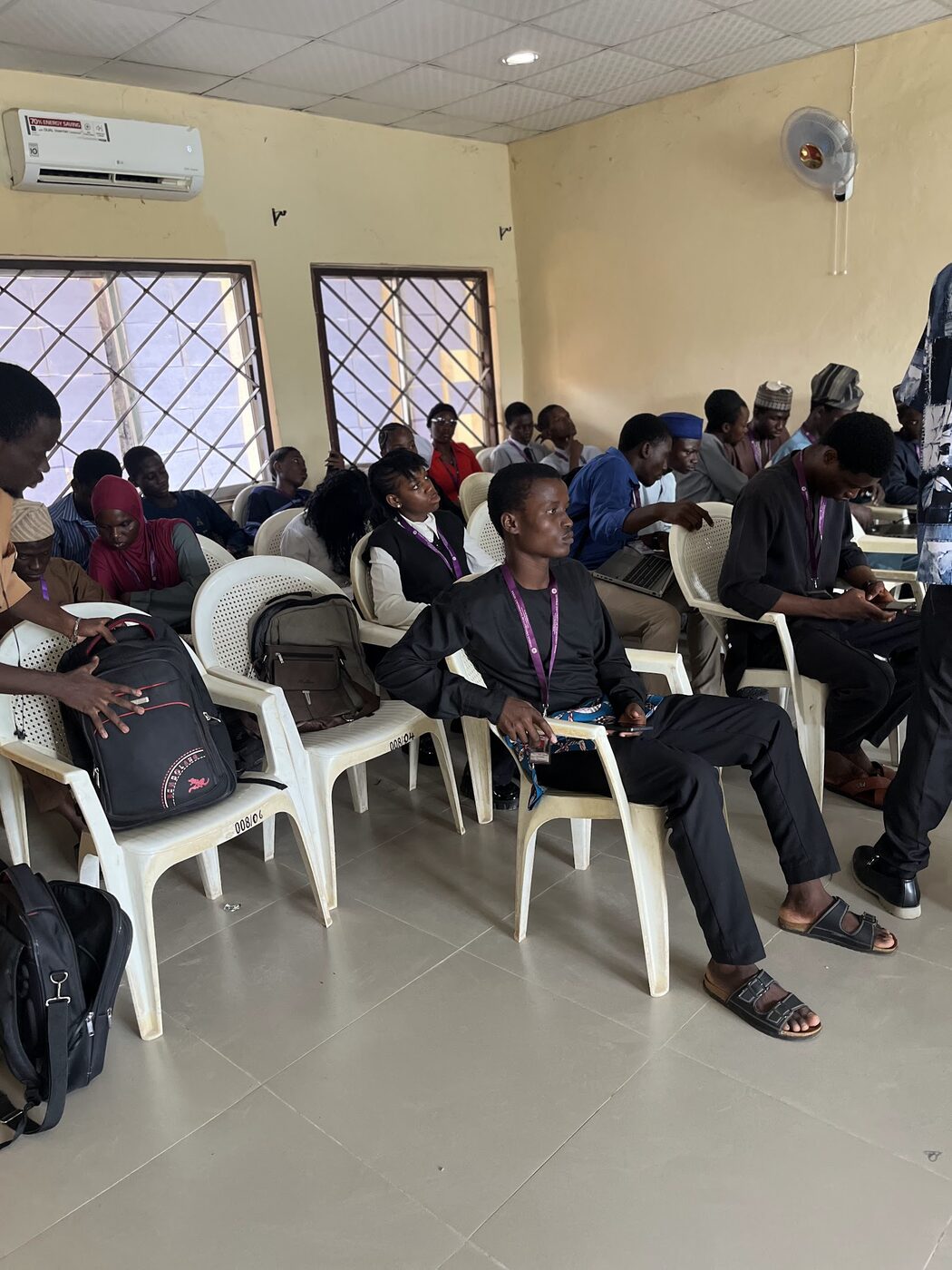
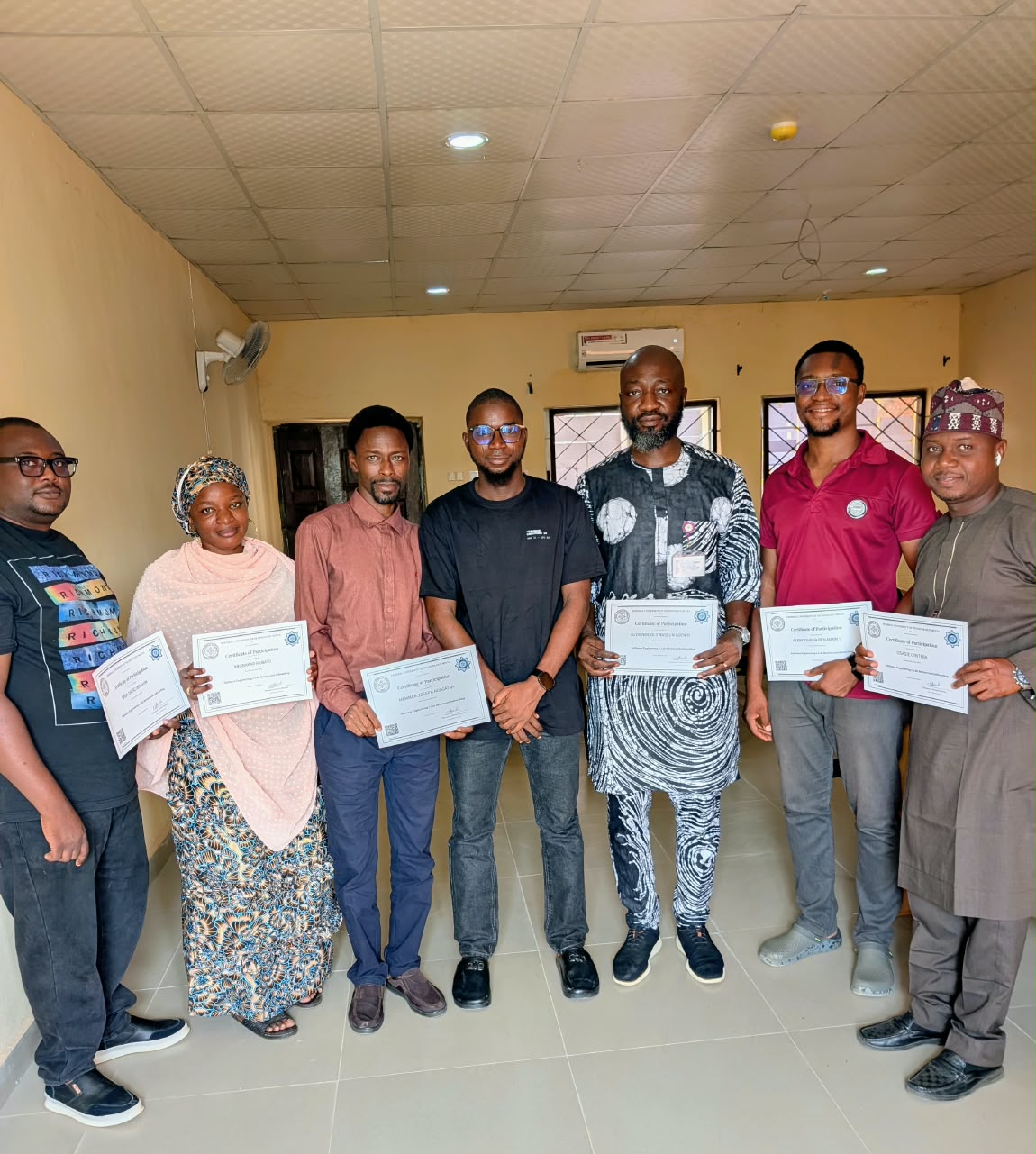
Before the service year closed, I ran a hands-on SWEMLab workshop for staff of the Department of Software Engineering, so the people who teach with the platform can run it without me. The day ended with certificates of participation and a goodbye with colleagues.

Staff holding their certificates of participation after the SWEMLab workshop
Staff training & goodbye

Certificates, thank-yous, and a proper goodbye.

Each participating staff member received a certificate of participation for the workshop. We closed the day with a small goodbye celebration, a chance to thank the colleagues who supported this work throughout the year.

  • Hands-on SWEMLab workshop for department staff
  • Certificates of participation presented
  • Goodbye celebration with colleagues
10 / VOICES

What students told us.

Between June and August 2026, students evaluated their experience with SWEMLab and practical project learning. The responses reflect strong peer recommendations, confidence in applying software engineering concepts, and genuine excitement around collaborative development.

8.4/10average student recommendation rating across the cohort
94%confirmed practical skill growth in software design & GitHub workflows
76%agreed the platform is intuitive, accessible, and easy to navigate
20+student software systems successfully deployed and defended
“My favorite feature is the project collaboration where students can work together on one project.”
— ANONYMOUS STUDENT · SWEMLAB EVALUATION
“Helped me understand UML better from SEN 201.”
— ANONYMOUS STUDENT · SWEMLAB EVALUATION
“It taught me how to use GitHub.”
— ANONYMOUS STUDENT · SWEMLAB EVALUATION
“The instructions under each project were really good and easy to understand.”
— ANONYMOUS STUDENT · SWEMLAB EVALUATION

Source: SWEMLab Learning Platform Impact Survey, Department of Software Engineering, FUT Minna. Student feedback verified from cohort evaluations.

A MOMENT OF APPRECIATION

Good work grows when people notice.

If a part of this work resonates with you, celebrate it, share the page, or send a thoughtful note. Appreciation is most useful when it is genuine and specific.

PASS THE GOOD ON ✨

Celebrate a little progress.

Choose a small note to share, or write your own. Nothing is submitted to a server here; you stay in control of what you copy or share.

11 / THE BIGGER MISSION

From one department to access across Africa.

The work at FUT Minna is connected to a larger question that shapes my research interests, graduate-school goals, and community-building: how do we make useful technology and infrastructure more accessible to people and institutions with fewer resources?

A CONTINUING COMMITMENT

Build access, share knowledge, widen participation.

My interest in access does not end at the classroom door. Through TheInfra, an African infrastructure community initiative operating under TAQ Limited, my private company, I am also working toward stronger connections, learning opportunities, and visibility for people building and operating technology across Africa.

This is the same throughline: make it easier for people to learn, participate, build, and contribute — whether the setting is a university lab, a student project, or a wider technical community.

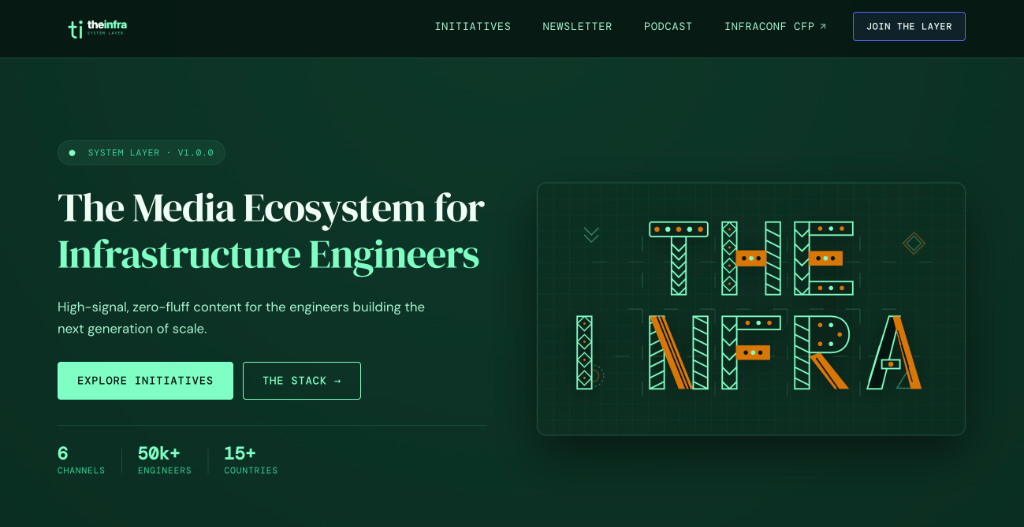
TheInfra — The Media Ecosystem for Infrastructure Engineers, operating under TAQ Limited
12 / WHAT'S NEXT

Take the work further.

National service is one chapter in a longer commitment: making technical knowledge, practical computing, and infrastructure opportunities more accessible across Africa.

THE NEXT CHAPTER · THEINFRA

From campus-level access to an African infrastructure ecosystem.

Through TheInfra, under TAQ Limited, I want to help more African engineers learn from one another, contribute to open technical communities, and find pathways into infrastructure engineering and research.

The next steps include growing InfraConf Africa as a meeting point for the continent's infrastructure community, developing the student-facing AI and Emerging Technology Research Group (AIHRG), and continuing research into resource-efficient AI infrastructure, distributed systems, and cloud-native systems that can work under real-world constraints.

These are ongoing ambitions, not claims that the work is already complete. The direction is clear: turn what I have learned from teaching and building at FUT Minna into opportunities that reach beyond one institution.

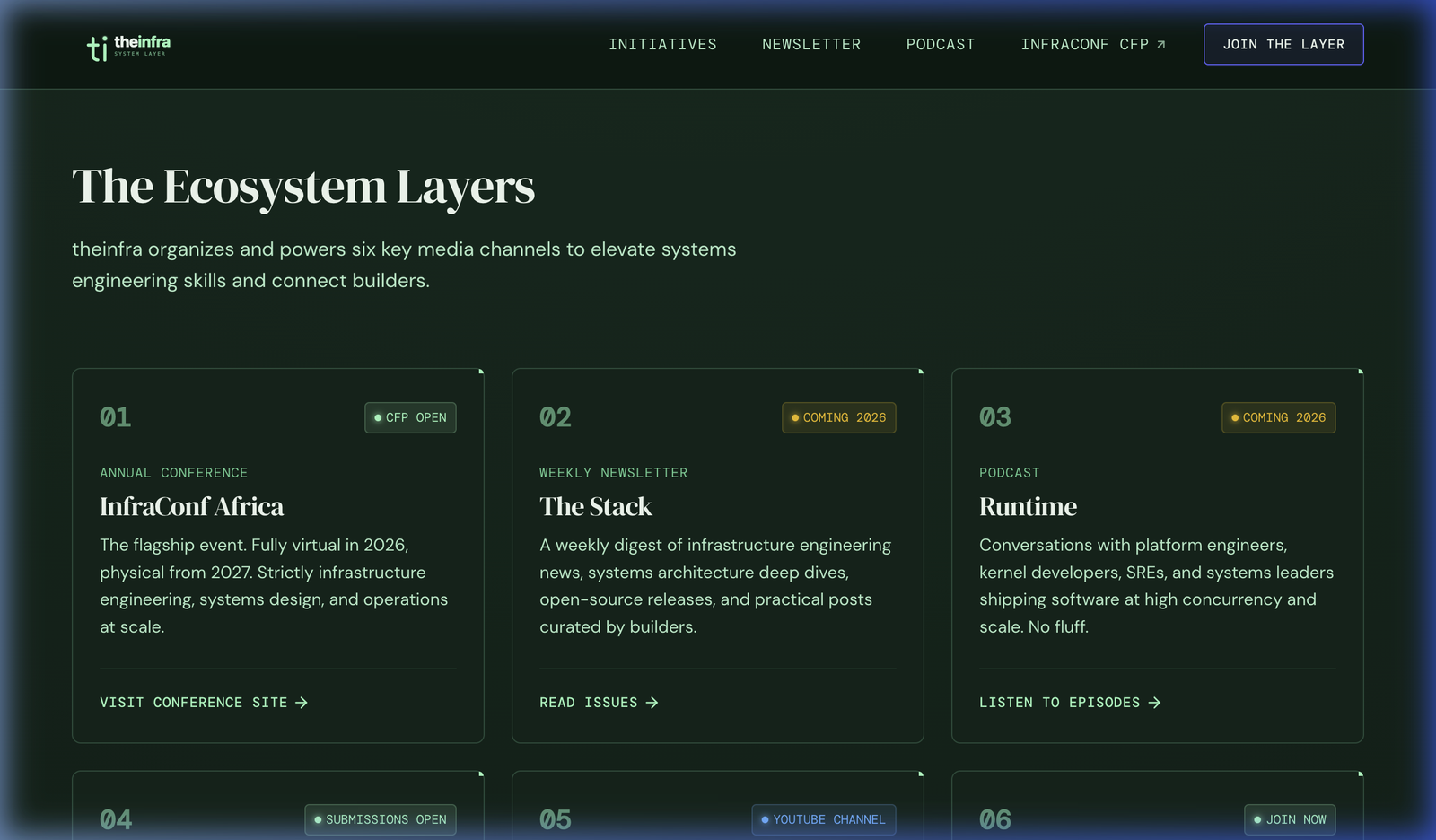
TheInfra Ecosystem Initiatives: InfraConf Africa, The Stack Newsletter, Runtime Podcast, and The Layer Discord
Participants and engineers collaborating during a technical innovation hackathon
FEDERAL UNIVERSITY OF TECHNOLOGY MINNA

Service ends.
The work carries on.

Grateful to the Department of Software Engineering, the instructors, students, and colleagues who made this year meaningful. The service chapter is one part of a wider commitment to practical technology education, accessible computing, and infrastructure communities across Africa.

Explore SWEMLab ↗ See student projects ↗ Explore TheInfra ↗